Welcome to Allmech Engineering Ltd, We're here to meet your needs with excellence.

Insights, Trends & Innovations

Latest from AllMech Engineering

"A Beginner’s Guide to Understanding Industrial Engineering Services"

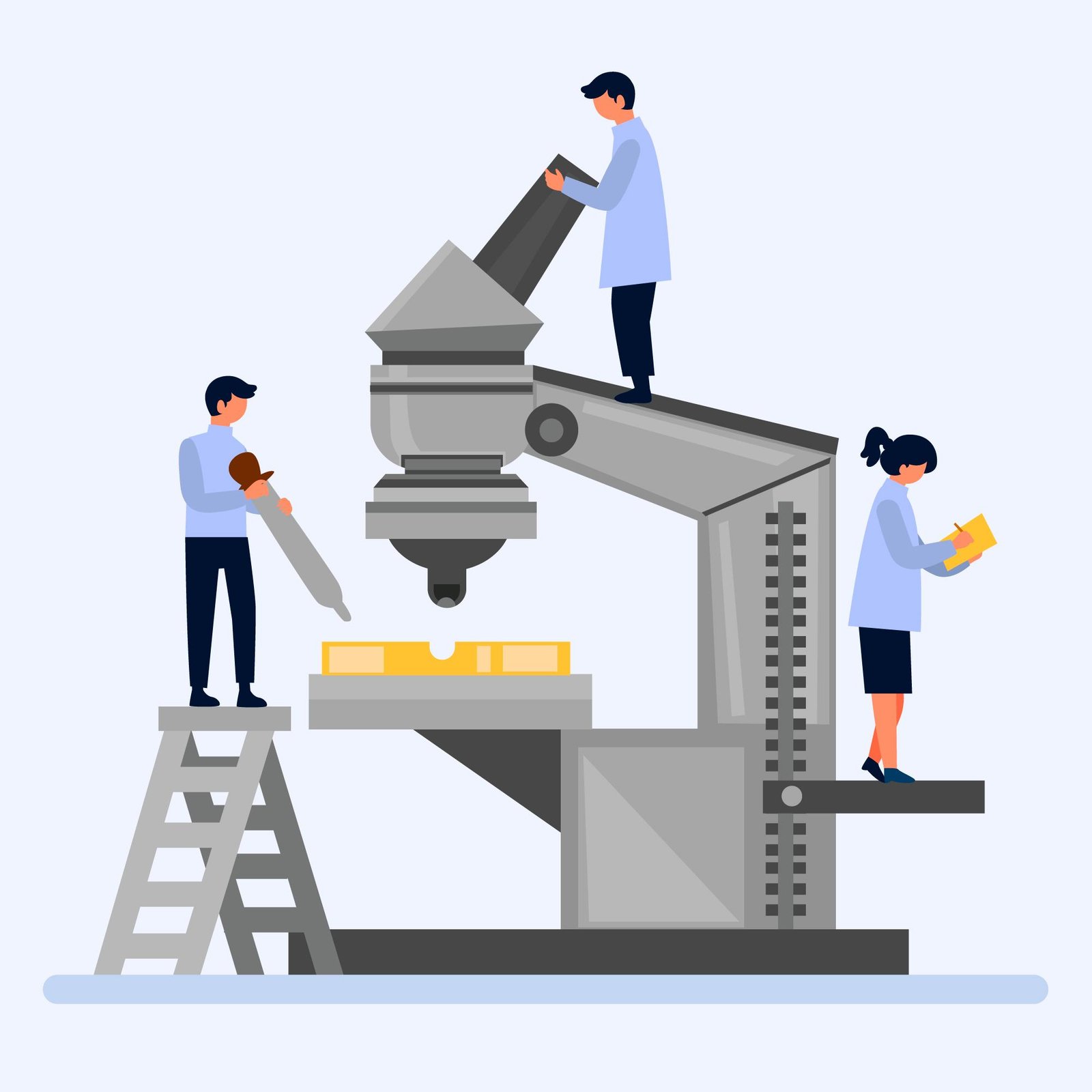
industrial engineering services focus on the design, improvement, and optimisation of processes within production and operational environments. These services aim to enhance productivity, reduce waste, and improve overall efficiency using a practical mix of engineering expertise, management science, and data analysis.

Read More

Septic Tank vs Wastewater Treatment Plant – What Are the Differences?

At Allmech Engineering Ltd, we design and support both types of systems, offering tailored process engineering services for businesses and domestic applications alike. This guide explores the key differences, use cases, and maintenance factors of each solution to help you make an informed decision.

Read More

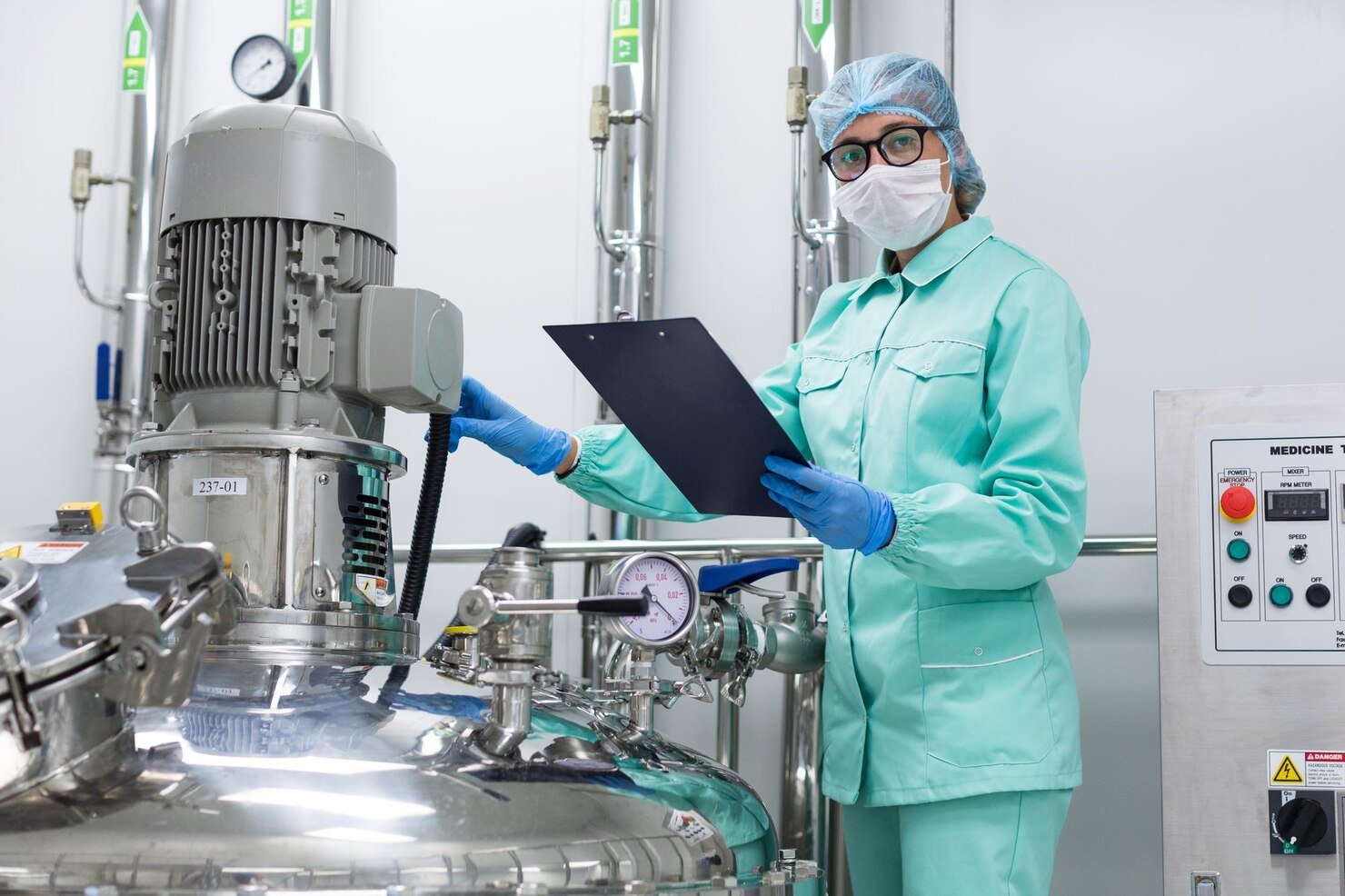
The Importance of Process Engineering in the Pharmaceutical Industry

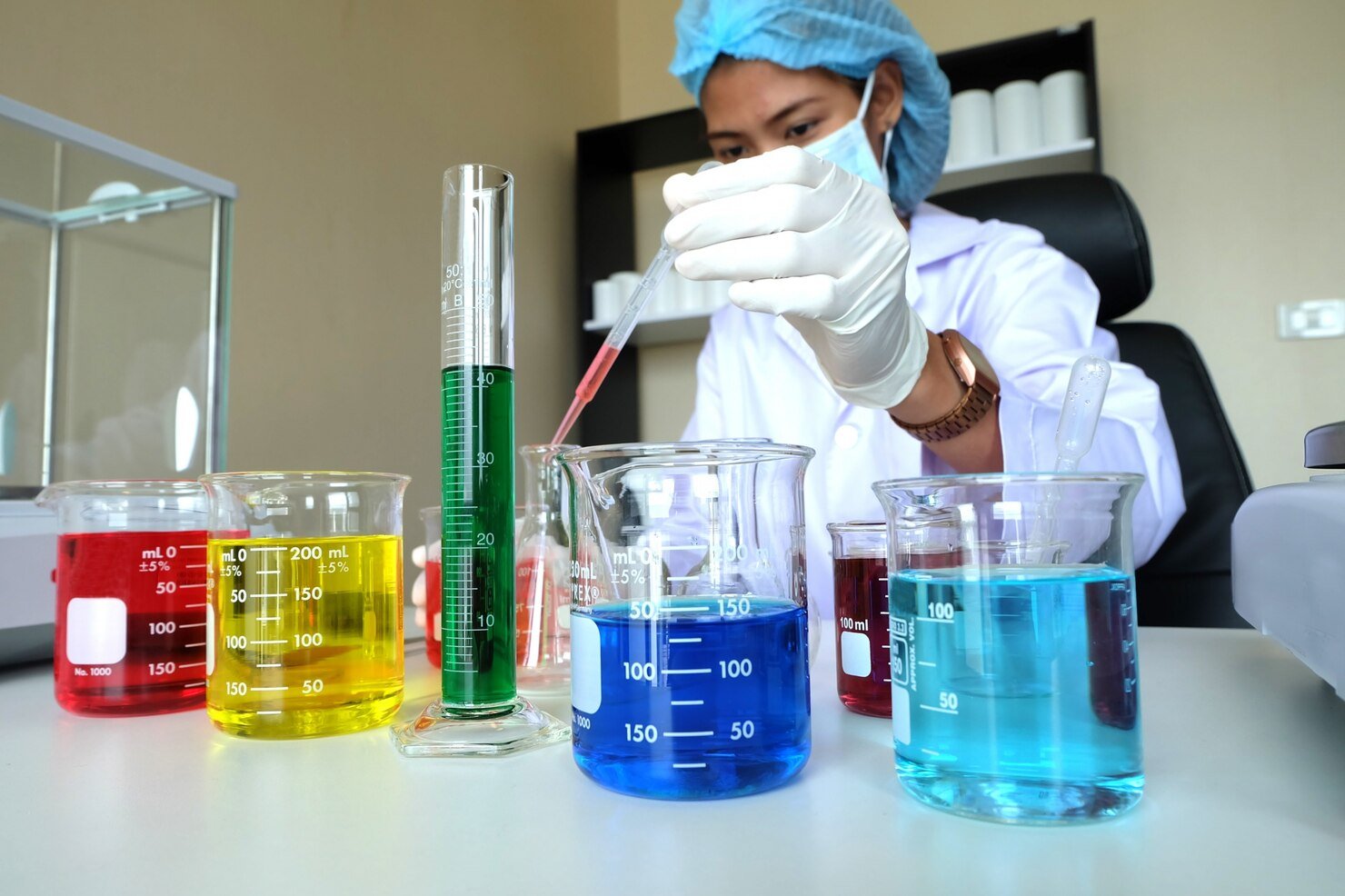
The pharmaceutical industry relies heavily on precision, safety, and efficiency. Behind every successful drug launch lies the work of pharmaceutical process engineers.

Read More

Selecting the Right Heat Transfer Fluid for Your Process

If you're into industrial and commercial processes, you would understand the importance of maintaining consistent process temperature. Without proper temperature regulation, there will be several production setbacks such as increased wear and tear of equipment, substandard products, and low productivity

Read More

Why Orbital Welding Is Becoming Essential in UK Hygienic Process Lines

Orbital welding has evolved from being a technological advantage to becoming a practical necessity — especially in industries where safety, hygiene, and compliance are paramount. Although the initial investment may be higher than traditional methods, the long-term benefits, including reduced maintenance, enhanced safety, and consistent regulatory compliance, far outweigh the costs. As a result, orbital welding has firmly established itself as a critical part of modern hygienic procedure engineering, ensuring that UK process industries remain efficient, compliant, and future-ready.

Read More

Optimizing Heat Exchanger Performance: Best Practices and Maintenance Tips

The heat exchanger plays a crucial role in transferring heat between fluids, maximising energy efficiency, and ensuring long-term equipment reliability. It’s a vital component that influences the day-to-day decisions engineers in manufacturing make—whether to reduce operational costs, enhance process efficiency, or maintain consistent performance. To keep your heat exchanger functioning at its best, it’s essential to follow proper maintenance practices and use it in line with established standards. In this article, you’ll find useful tips on how to optimise your heat exchanger so it continues to operate efficiently and deliver reliable results.

Read More

Clean-in-Place (CIP) Systems: Everything You Need to Know

Clean-in-Place systems, often called CIP systems, are essential for maintaining hygiene and operational efficiency across industries such as food and beverage, dairy, pharmaceuticals, and biotechnology. These systems are designed to clean the interior surfaces of pipes, vessels, equipment, and fittings without disassembling them, ensuring consistent sanitation standards and reducing downtime between production cycles.

Read More

The four stages of wastewater treatment plants

One of the major challenges of modern society is managing water resources responsibly. As populations grow and industries expand, the volume of wastewater produced continues to increase. Treating this wastewater efficiently is essential to protect the environment, conserve water, and safeguard public health.

Read More

Industrial Wastewater Treatment and Why It Matters for Modern Industry

Industrial activity relies heavily on water, and as a result, businesses across nearly every sector generate contaminated wastewater. This water often contains a mixture of solids, chemicals and organic compounds that make it unsuitable for reuse or discharge. Industrial wastewater treatment provides a controlled way to convert this contaminated water into a cleaner product that can safely re-enter the environment or be used again within the facility.

Read More

CIP Chemicals: 4 Commonly Used Clean-in-Place Chemicals

Clean-in-Place systems are central to maintaining hygiene across modern hygienic processing environments. Industries such as food, beverage, dairy and pharmaceutical manufacturing rely heavily on consistent, validated cleaning routines to ensure product quality and prevent contamination. Using the correct CIP chemicals is a critical part of that process. These chemicals allow complex equipment, pipes and vessels to be cleaned thoroughly without the need for disassembly, helping operators achieve effective results while reducing downtime and labour requirements.

Read More

How a Cyclone Separator Improves Industrial Dust Collection

Effective industrial dust collection plays a critical role in maintaining safe and efficient working environments. In many industrial settings, dust and particulate matter can develop from grinding, processing, conveying, or handling bulk materials. Without proper control, these airborne particles can pose serious health risks, contribute to equipment wear, and increase overall maintenance demands. Poor air quality may also affect product consistency and operational reliability, especially in industries where hygiene and process precision are key.

Read More

5 Ways to Achieve Manufacturing Efficiency

Manufacturing efficiency is a priority for organisations that want to remain competitive, control costs, and improve output without compromising quality. In a sector where margins are under constant pressure, efficiency is not just about speed. It is about using people, processes, and technology in the most effective way possible.

Read More

Sewage in Water: A Growing Public Health Concern

Sewage treatment plant effluent plays a crucial role in protecting the environment and ensuring effective wastewater management. For properties that are not connected to mains drainage, understanding how effluent is produced, monitored, and regulated is essential. Good effluent quality supports environmental health, helps property owners remain compliant with UK regulations, and reduces the risk of costly system issues.

Read More

How a Cyclone Separator Improves Industrial Dust Collection

In many industrial settings, dust and particulate matter can develop from grinding, processing, conveying, or handling bulk materials. Without proper control, these airborne particles can pose serious health risks, contribute to equipment wear, and increase overall maintenance demands. Poor air quality may also affect product consistency and operational reliability, especially in industries where hygiene and process precision are key.

Read More

How the CIP Process Works in the Pharmaceutical Industry

Maintaining high levels of cleanliness is critical in modern manufacturing, particularly within the pharmaceutical sector where product safety directly affects patient health. Cleaning systems must remove residues, prevent contamination, and meet strict regulatory standards. Among the most effective solutions used today is the Clean in Place system, commonly known as CIP.

Read More

Happy Clients

Testimonials